Understanding the Mandala Ripple Spider Web: Design, Application, and Alternatives
The intersection of organic geometry and textile artistry has produced some of the most compelling motifs in modern machine embroidery. Among these, the Mandala Ripple Spider Web stands out as a design that merges the structural precision of a mandala with the fluid dynamics of water ripples and the intricate lattice of a spider web. This specific aesthetic is particularly notable for its integration of shell-like textures, creating a visual narrative that feels both ancient and contemporary. For designers, hobbyists, and professionals evaluating embroidery assets, understanding the unique characteristics of this pattern is essential for determining its suitability within a broader creative portfolio.
This article examines the technical and aesthetic dimensions of the Mandala Ripple Spider Web, offering a balanced perspective on its strengths, limitations, and how it compares to other popular embroidery styles. By analyzing the design's construction, color potential, and application scenarios, readers can make informed decisions about whether this motif aligns with their project requirements or if alternative approaches might serve better.
Anatomy of the Mandala Ripple Spider Web Design
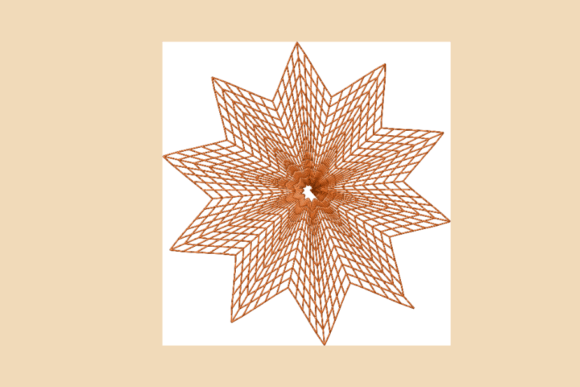
To appreciate the value of the Mandala Ripple Spider Web, one must first deconstruct its visual components. Unlike traditional geometric mandalas that rely strictly on rigid symmetry, this design introduces a layer of organic movement. The "ripple" element suggests concentric circles expanding outward, mimicking the disturbance of water or the growth rings of a shell. When overlaid with the radial tension of a spider web structure, the result is a complex interplay of lines that guide the eye from the center to the periphery.
A defining feature of this specific iteration is the incorporation of shell motifs. These are not merely decorative add-ons but are woven into the ripple structure, adding texture and depth. In machine embroidery, this translates to a variety of stitch types—likely combining satin stitches for the bold outlines of the web and fill stitches for the softer, gradient areas of the ripples. The fall-season adaptation of this design further enhances its appeal by utilizing a warm color palette. Earthy tones such as burnt orange, deep amber, rust, and muted gold are strategically placed to evoke the changing leaves of autumn, making it a seasonal favorite for apparel and home decor.
The craftsmanship required to execute the Mandala Ripple Spider Web effectively relies heavily on digitization quality. Because the design features fine details and varying densities, a poorly stitched version could result in puckering or thread breakage. However, when executed correctly, the symmetrical beauty of the mandala is enhanced by the intricate ripple details, ensuring a sophisticated finish that elevates any textile it adorns.
Comparative Analysis: Mandala vs. Organic Flow Patterns
When selecting an embroidery asset, it is crucial to compare the Mandala Ripple Spider Web against other prevalent categories. The primary alternative lies between strict geometric patterns and free-form organic flows. Geometric designs, such as standard hexagons or triangles, offer clarity and sharpness but often lack the softness associated with nature-inspired themes. Conversely, free-flowing floral or abstract designs provide movement but may struggle with the balance and symmetry that many consumers find pleasing in high-end garments.
The Mandala Ripple Spider Web occupies a middle ground. It offers the structural integrity of a geometric mandala while retaining the fluidity of organic forms. Compared to a standard floral bouquet, which can be asymmetrical and scattered, the Mandala Ripple Spider Web provides a focal point that is easier to integrate into structured items like collars, cuffs, or the center of a tote bag. Furthermore, unlike simple spider web motifs that can sometimes carry negative connotations or appear too stark, the addition of the ripple and shell elements softens the aesthetic, transforming it into a symbol of natural harmony rather than entrapment.
Another comparison point is the complexity of execution. While simpler line-art designs are faster to stitch and require less stabilizer support, the Mandala Ripple Spider Web demands more resources. It typically involves higher stitch counts and potentially more thread changes due to its multi-tonal palette. For a production environment prioritizing speed over detail, a simpler geometric repeat might be more efficient. However, for projects where visual impact and perceived value are paramount, the additional time invested in stitching the Mandala Ripple Spider Web yields a superior product.
Evaluating Strengths and Tradeoffs
Every design choice involves tradeoffs, and the Mandala Ripple Spider Web is no exception. Its primary strength lies in its versatility and timeless elegance. The symmetrical nature of the design makes it forgiving regarding placement; even if slightly off-center, the radial symmetry helps maintain visual balance. Additionally, the inclusion of multiple file formats ensures compatibility across various embroidery machines, reducing technical barriers for users with different equipment.
However, there are limitations to consider. The intricate nature of the ripple and shell details means that the design may not scale down well. Attempting to embroider a large, detailed version of the Mandala Ripple Spider Web onto a small surface, such as a hat patch or a pocket square, could result in a loss of definition and a muddy appearance. Users must carefully evaluate the size constraints of their substrate before committing to this design.
Furthermore, the reliance on a warm, autumnal color palette, while beautiful, limits its immediate applicability to other seasons without significant re-coloring. While digital tools allow for easy color changes, the original design intent is rooted in fall aesthetics. If a project requires a cool, winter, or spring theme, the user would need to invest time in adjusting the thread colors to match the new context, whereas a neutral monochrome design might be ready for immediate use.
Decision Factors for Implementation
- Substrate Texture: The intricate details of the Mandala Ripple Spider Web work best on medium-to-heavyweight fabrics like denim, canvas, or wool blends. On very sheer or stretchy materials, the density of the stitches might cause distortion.
- Project Scope: For mass production where cost-per-unit is critical, the higher stitch count of this design increases thread consumption and machine time. For boutique or custom work, this is less of a concern.
- Aesthetic Goal: If the goal is to convey sophistication and natural elegance, this design is highly effective. If the goal is minimalism or industrial utility, a simpler motif is likely a better fit.
When to Choose the Mandala Ripple Spider Web
The Mandala Ripple Spider Web is the right choice when the objective is to create a statement piece that commands attention through detail and texture. It is particularly well-suited for fall collections, artisanal clothing lines, and home textiles that aim to bring warmth and nature indoors. Designers looking to add a touch of bohemian elegance to a garment will find this motif invaluable. The combination of the spider web's structure and the shell's organic curves creates a unique signature that distinguishes a brand from competitors using generic floral or geometric prints.
Additionally, because the design comes with multiple file formats, it is an excellent resource for studios that utilize a fleet of different embroidery machines. This flexibility reduces the risk of format incompatibility, allowing for smoother workflow management. The professional finish achieved through careful crafting of each stitch makes it ideal for high-value items where quality control is non-negotiable.
When to Consider Alternatives
Despite its merits, the Mandala Ripple Spider Web is not a universal solution. If a project requires rapid turnaround times or involves low-cost materials, the complexity of this design may be prohibitive. In such cases, simpler line-work patterns or basic geometric fills would be more practical. Similarly, if the target audience prefers a modern, minimalist aesthetic, the ornate nature of the Mandala Ripple Spider Web might feel too busy or traditional.
For summer-themed projects, the inherent warmth of the design's color scheme might clash with lighter, cooler palettes unless significantly altered. In these instances, a design specifically optimized for bright, airy colors or one with a tropical theme might be more appropriate. Ultimately, the decision to use the Mandala Ripple Spider Web should be driven by the specific needs of the project, the capabilities of the equipment, and the desired emotional response from the end-user.
In conclusion, the Mandala Ripple Spider Web represents a sophisticated fusion of nature and geometry, offering a distinct visual language for textile artists. By weighing its intricate beauty against the practical demands of production and the specific goals of a project, creators can determine if this timeless design is the perfect addition to their collection or if another approach better serves their vision.