Magula: The Retro Groovy Font for Modern Design
There is a distinct charm in the typography of the 1960s and 70s. It speaks of an era defined by bold colors, fluid shapes, and a sense of unapologetic fun. Magula captures this spirit perfectly, serving as a bridge between vintage aesthetics and contemporary digital needs. Unlike rigid, geometric typefaces that dominate modern corporate branding, Magula offers curvy, playful letterforms that immediately evoke nostalgia while remaining legible and versatile for today's projects.
Whether you are designing a flyer for a local jam band or crafting a logo for a boutique coffee shop, the right font can make or break the visual message. Magula stands out not just as a decorative element, but as a functional tool that helps creators communicate a specific mood instantly. Its design combines the organic flow of mid-century posters with the structural integrity required for modern web and print media.
Understanding the Appeal of Magula
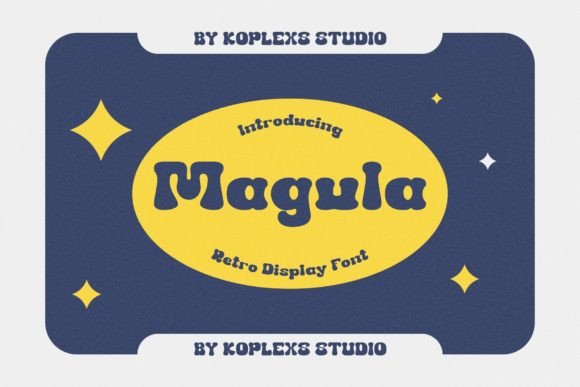
At its core, Magula is a retro groovy font designed to bring warmth and personality to static text. The letterforms feature exaggerated curves, soft edges, and a slight bounce that mimics the hand-drawn style popular during the psychedelic and disco eras. However, it avoids the common pitfall of many novelty fonts: illegibility. While it looks whimsical, the character spacing and stroke weights are engineered to ensure readability even at smaller sizes.
This balance is crucial for designers who want to inject character into their work without sacrificing clarity. For those familiar with the history of graphic design, Magula feels like a nod to the screen-printed concert posters of San Francisco or the vibrant album covers of the late 60s. Yet, for those less versed in design history, it simply reads as "fun" and "approachable." This universal appeal makes it a valuable asset across various industries, from entertainment to retail.
For Beginners and Hobbyists: A Low-Barrier Entry Point
For individuals just starting their creative journey, typography can often feel intimidating. Choosing the wrong font can make a project look amateurish, while finding the right one can elevate simple ideas into professional-looking pieces. Magula is particularly welcoming for beginners because it does most of the heavy lifting visually. When paired with clean sans-serif body text, the contrast creates a sophisticated layout without requiring advanced kerning or spacing adjustments.
Hobbyists creating invitations for themed parties, birthday cards, or personal blogs will find that Magula instantly sets the tone. Imagine designing a flyer for a 70s-themed dance night; using a standard font would require significant effort to convey the vibe through graphics alone. With Magula, the text itself carries the theme. This ease of use allows newcomers to focus on other aspects of their design, such as color selection and image placement, rather than getting bogged down in typographic nuances.
Practical Applications for the Creative Amateur
- Event Invitations: Use Magula for the headline of wedding, birthday, or party invites to signal a relaxed, celebratory atmosphere.
- Personal Branding: Bloggers and social media influencers can use it for profile headers or story templates to establish a unique, friendly voice.
- Craft Projects: Print the font onto t-shirts, tote bags, or stickers for handmade goods sold at local markets.
Professionals and Marketers: Strategic Branding Tools
For experienced designers, marketing professionals, and entrepreneurs, the value of Magula lies in its ability to differentiate a brand in a crowded marketplace. In an era where minimalism often leads to visual homogeneity, a well-placed retro font can serve as a powerful differentiator. It signals creativity, approachability, and a connection to timeless cultural moments.
Marketers understand that consumers respond emotionally to visuals. A font that feels "groovy" triggers associations with freedom, happiness, and authenticity. This is particularly effective for brands targeting millennials and Gen Z, demographics that frequently gravitate toward vintage aesthetics. Whether launching a new line of craft beverages, rebranding a vintage clothing store, or promoting a music festival, Magula provides the visual shorthand needed to connect with these audiences quickly.
However, professionals must also consider versatility. Can Magula be used in long-form content? Generally, no. Its strength is in headlines, logos, and short bursts of text. Experienced users know to pair it with a neutral, highly readable font for body copy. This pairing ensures that the design remains accessible while retaining its stylistic flair. The commercial value here is clear: it helps businesses stand out without needing expensive custom illustration for every campaign.
Evaluating Magula for Business Goals
- Brand Identity: Does your brand need to feel more human and less corporate? Magula adds a layer of personality that sterile fonts cannot.
- Target Audience Alignment: If your customers value nostalgia, creativity, or lifestyle experiences, this font aligns perfectly with those values.
- Project Scope: Ideal for logos, packaging labels, website headers, and social media graphics, but should be avoided for legal disclaimers or dense paragraphs.
Entrepreneurs and Small Business Owners: Cost-Effective Impact
Small business owners often operate with limited budgets but high ambitions for their visual identity. Hiring a full-time designer for every project isn't always feasible. In this context, having access to high-quality, distinctive fonts like Magula becomes a strategic advantage. It allows business owners to create professional-grade assets in-house, saving money on external design fees while maintaining a cohesive brand image.
Consider a cafe owner wanting to update their menu board or a shopkeeper decorating their storefront window. Magula can transform a plain sign into an inviting focal point. The font's strong retro vibe is perfect for establishments that want to cultivate a cozy, community-focused atmosphere. It works exceptionally well for cafes, bakeries, record stores, and boutiques that sell curated, vintage-inspired items.
Furthermore, the flexibility of Magula means it can grow with the business. As a small enterprise expands, the font can be applied to everything from business cards and invoices to large-scale outdoor signage. This consistency builds brand recognition over time. For the entrepreneur, the priority is often speed and reliability—getting a great design out the door quickly. Magula delivers on both fronts, offering immediate visual impact with minimal setup time.
Educators and Publishers: Engaging Visual Communication
In the realm of education and publishing, engagement is key. Educators looking to create lesson materials, worksheets, or classroom decorations can use Magula to make learning materials more inviting, especially for younger students or when covering historical topics related to the 20th century. A worksheet about the 1960s culture becomes significantly more immersive when the headings utilize a font that reflects the era.
Publishers and content creators also benefit from the distinctiveness of Magula. In a sea of generic serif and sans-serif fonts, a title page featuring Magula grabs attention and suggests a narrative that is lively and unconventional. It is particularly useful for children's books, graphic novels, or non-fiction works exploring pop culture history. The font acts as a visual cue, preparing the reader for a story that is likely to be entertaining and dynamic.
However, educators and publishers must remain mindful of accessibility. While Magula is visually striking, it should be used sparingly in educational contexts where readability is paramount for all learners. Using it for chapter titles or activity headers strikes the right balance between engagement and function.
Determining if Magula Fits Your Project
Deciding whether Magula is the right choice depends largely on the emotional response you wish to elicit from your audience. If your goal is to convey seriousness, authority, or high-tech precision, this font may not be the best fit. Conversely, if you aim to inspire joy, nostalgia, creativity, or a sense of community, Magula is an excellent candidate.
Ask yourself a few practical questions before committing:
- Does my project require a vintage or retro aesthetic?
- Am I designing headlines or short phrases rather than long blocks of text?
- Do I want my brand to feel approachable and human-centric?
- Is my target audience responsive to nostalgic or artistic themes?
If the answer to these questions is yes, then Magula offers a robust solution that balances style with utility. It empowers everyone from the weekend hobbyist to the seasoned creative director to infuse their work with a touch of 60s and 70s magic. By understanding how different users prioritize ease of use, cost, and creative expression, it becomes clear that Magula is more than just a font—it is a versatile tool for storytelling and brand building in a modern world.