Earrings Laser Cut: A Guide to Halloween Earrings
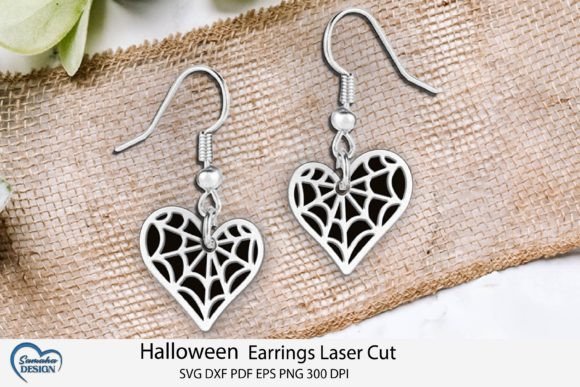
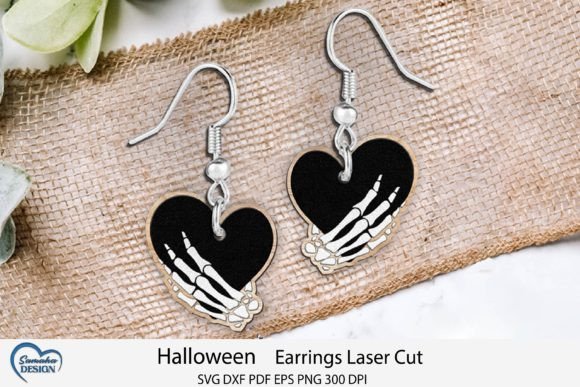
The intersection of digital design and physical craftsmanship has given rise to a versatile category of jewelry known as Earrings Laser Cut. Halloween Earrings. These accessories are not merely decorative; they represent a specific manufacturing approach where intricate patterns, such as spider webs or skeletal motifs, are cut from various materials using high-precision laser technology. For hobbyists, small business owners, and DIY enthusiasts, understanding the nuances of this process is essential for creating high-quality products that balance aesthetic appeal with structural integrity.
Understanding the Process and Design Files
At the core of creating these earrings is the digital file format. Most projects begin with a Laser Cut earrings SVG File. The Scalable Vector Graphics (SVG) format is preferred because it allows designs to be resized without losing resolution, a critical feature when adapting a pattern for different earring sizes. A popular motif in this niche is the Spider Web SVG, which offers complex geometric lines that are difficult to replicate with manual cutting tools but are executed flawlessly by a laser cutter.
When sourcing designs, creators typically receive a comprehensive package. This ZIP archive usually contains files in multiple formats to ensure compatibility with various software and machines. Standard inclusions often feature:
- SVG format: Ideal for vector editing software like Adobe Illustrator or Inkscape.
- PNG format: Useful for visual previews and marketing mockups.
- DXF format: Commonly used by CAD software and industrial laser cutters.
- PDF format: Suitable for quick viewing and some printer-cutter workflows.
- EPS format: A legacy vector format compatible with many professional design suites.
This variety ensures that whether you are using a desktop hobby machine or an industrial unit, you have the correct file type to initiate the cutting process.
Material Selection and Thickness Considerations
One of the most significant decisions in producing Earrings Laser Cut. Halloween Earrings. is selecting the appropriate material. The choice of substrate dictates the final look, weight, durability, and safety of the jewelry. The recommended materials include Plywood, MDF, Acrylic, Plexiglas, Metal, Cardboard, and Paper. Each offers distinct advantages and tradeoffs.
Wood and Wood Composites
For a natural, rustic aesthetic, wood is a primary choice. However, thickness is a critical factor. The recommended Material Thickness for Wood is generally between 3 mm and 6 mm (approximately 1/8 inch to 1/4 inch). Thinner wood may lack the structural strength required for everyday wear, while wood thicker than 6 mm can result in heavy earrings that cause ear fatigue. When working with plywood or MDF, it is important to note that MDF produces a very smooth cut but requires sealing to prevent moisture absorption and skin irritation.
Synthetic Materials
Acrylic and Plexiglas offer a modern, vibrant alternative. These materials allow for color infusion and a glossy finish that mimics glass. They are durable and water-resistant, making them suitable for long-term wear. However, acrylic requires careful ventilation during cutting due to fumes. Metal, while more challenging to cut depending on the laser type, provides a premium feel and exceptional longevity, though it increases production time and cost.
Paper and Cardboard
Cardboard and paper are excellent for prototyping or creating lightweight, disposable fashion pieces. They are cost-effective and easy to work with, but they lack the durability of wood or plastic. They are best suited for short-term events or costume accessories rather than permanent jewelry collections.
Design Scaling and Structural Integrity
A unique advantage of vector-based designs is the ability to scale. You can increase the size of a design significantly without compromising the line quality. This flexibility allows creators to adapt a single Spider Web SVG into large statement pieces or smaller studs. However, scaling down presents specific challenges.
When reducing the design, consider thin elements. As a design shrinks, the kerf (the width of the material removed by the laser beam) becomes a larger percentage of the total line width. Extremely thin lines in a reduced design may burn away completely or become too fragile to handle. Creators must evaluate the minimum line width their specific machine and material can support before downsizing a pattern. If a design relies on delicate filigree, reducing it below a certain threshold may render the earrings unusable.
Evaluation: Benefits and Tradeoffs
Why might someone choose Earrings Laser Cut. Halloween Earrings. over traditional manufacturing methods? The primary benefit is precision. Laser cutting achieves levels of detail that hand-cutting cannot match, particularly for intricate themes like Halloween. It also offers consistency; every pair produced from the same file will be identical, which is vital for small batch production.
However, there are tradeoffs. The initial investment in equipment or outsourcing costs can be higher than simple crafting. Additionally, the range of shapes is limited to what the laser can cut; three-dimensional molding is not possible with this method alone. Post-processing, such as sanding edges, drilling holes for jump rings, and applying finishes, adds time to the workflow. Unlike injection-molded plastic, each piece requires individual handling.
Determining Fit for Your Goals
This method is a strong fit for several specific situations. If you are launching a boutique brand focused on seasonal trends, the speed of switching from one design to another makes laser cutting ideal. For educators teaching digital fabrication, these projects provide a tangible application of vector graphics. Furthermore, for individuals seeking custom gifts, the ability to modify a base design quickly allows for personalization that mass-market retailers cannot offer.
Conversely, alternatives may be worth considering if your goal is mass production at the lowest possible unit cost. Injection molding or die-cutting becomes more economical once production volumes reach thousands of units. Additionally, if the desired aesthetic involves soft textures, fabric integration, or organic, non-geometric forms, laser cutting rigid materials may not align with your creative vision. In cases where biodegradability is the sole priority, untreated paper or specific plant-based plastics might be superior to standard acrylic or treated MDF.
Practical Decision-Making Insights
Before committing to a project involving Earrings Laser Cut. Halloween Earrings., potential creators should conduct a test run. Purchase a small sample of the intended material and cut a test piece at the actual scale. Check the edge quality, ensuring there is no charring on wood or melting on acrylic that compromises the design. Verify that the holes for earring hooks are clean and round.
Furthermore, consider the end-user experience. Are the edges smooth enough to touch? Is the weight balanced? If the design includes very thin elements, does it hold up to bending stress? These practical checks ensure that the final product meets quality standards.
If you encounter issues with file compatibility or need clarification on specific machine settings, it is advisable to reach out to the file provider. Please, feel free contact me, if you have any questions regarding the technical specifications or usage of the provided files. By carefully evaluating materials, scaling limits, and production goals, creators can successfully leverage laser cutting technology to produce distinctive and high-quality jewelry.