Concrete Grunge Texture Overlay Guide
In the world of digital design, flat colors often feel sterile. To make a project resonate with an audience, creators frequently need to introduce imperfection. This is where a Concrete Grunge Texture Overlay becomes an essential tool. By layering these digital assets over your work, you instantly inject a sense of history, weight, and raw authenticity that clean vector shapes simply cannot achieve. These overlays mimic the natural wear and tear found in urban environments, transforming a standard image into something with character and depth.
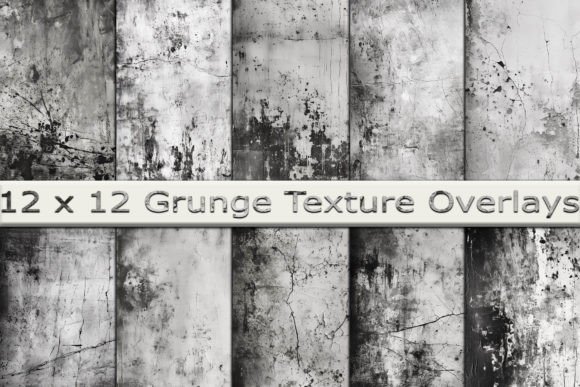
This specific collection offers a diverse set of 20 high-resolution 12x12 inch overlays. Each file captures unique patterns of erosion, staining, and cracking that only genuine concrete can provide. Whether you are a seasoned graphic designer or a hobbyist just starting out, these textures serve as the perfect foundation for adding a raw, urban edge to your creative output. They bridge the gap between the digital and physical worlds, allowing you to simulate tactile surfaces without ever leaving your computer.
Understanding the Value of Urban Textures
At its core, a grunge texture overlay is a transparent image containing visual noise, scratches, dust, and surface irregularities. When applied to a design, it breaks up solid blocks of color and adds visual interest. The appeal of concrete specifically lies in its association with industrial strength and gritty realism. Unlike paper or fabric textures which might feel soft or organic, concrete suggests durability and permanence.
For professionals and entrepreneurs, this aesthetic is more than just a style choice; it is a strategic decision. A moody, textured background can evoke emotions ranging from nostalgia to rebellion, depending on how it is used. It signals to the viewer that the content has substance. In a crowded digital marketplace, designs that look "real" often stand out against the sea of perfectly polished, generic graphics. The high resolution of these 12x12 inch files ensures that they remain crisp even when printed at large sizes or viewed on high-density screens.
Transforming Digital Art and Illustrations
Digital artists often struggle with the "plastic" look that can plague vector art or smooth digital paintings. Infusing your digital paintings or illustrations with a layer of authenticity and grit solves this problem immediately. By placing a Concrete Grunge Texture Overlay on top of your artwork and adjusting the blend mode to "Multiply" or "Overlay," you allow the underlying colors to show through while introducing subtle shadows and highlights.
This technique works particularly well for concept art, character design, and editorial illustrations. Imagine a superhero poster where the hero stands against a backdrop that looks like a weathered city wall rather than a plain gradient. The texture grounds the character in a believable environment. For beginners, this is an easy way to elevate the perceived quality of their work without needing advanced painting skills. It adds a layer of complexity that suggests hours of detailed rendering, achieved in seconds.
Applications in Graphic Design and Print
Graphic designers rely heavily on backgrounds to set the tone for their projects. Creating eye-catching backgrounds for posters, flyers, brochures, or cover art that demand attention is significantly easier with these overlays. A music festival flyer, for instance, benefits immensely from the rough, edgy vibe of concrete. It communicates energy and an underground culture vibe effectively.
The versatility extends to packaging design as well. Introducing a tactile element to packaging designs can create a stand-out shelf presence. Even if the final product is printed on glossy cardstock, a subtle concrete texture overlay can make the package feel heavier and more premium. It mimics the look of industrial materials, which is popular in sectors like craft beer, artisanal coffee, and streetwear brands. The 20 unique patterns in this collection ensure that no two projects look exactly alike, giving each brand its own distinct identity.
Enhancing Photography and Web Presence
Photographers often use post-processing to add atmosphere to their images. Adding depth and a moody atmosphere to photos in post-processing is a common workflow for street photographers and portrait artists. A light application of a concrete overlay can unify disparate elements in a photo, reducing distractions and focusing the viewer's eye on the subject. It can also be used to mask minor imperfections in the original shot while adding a stylistic filter.
In the realm of web design, flat interfaces are being replaced by textured ones to reduce eye strain and increase engagement. Using these overlays as a full background or a decorative element adds texture to websites and online portfolios. However, it is crucial to apply them subtly. A heavy texture can slow down page load times or make text difficult to read. The best approach is to lower the opacity significantly or use the texture behind a semi-transparent color block to maintain readability while still providing that industrial aesthetic.
Practical Uses for Mockups and Apparel
Product mockups are vital for freelancers and small business owners presenting their ideas to clients. Giving your mockups an industrial or urban look is perfect for presenting designs in a realistic setting. Instead of showing a logo on a white square, place it on a concrete wall texture to demonstrate how it would look on a storefront sign or a billboard. This helps clients visualize the final product in a real-world context.
The utility of these textures also extends to apparel design. Using these overlays to design unique prints for clothing and accessories allows fashion designers to create distressed looks without damaging actual fabric during the prototyping phase. T-shirts, hoodies, and tote bags featuring concrete patterns have become staples in streetwear. Similarly, scrapbookers—whether working digitally or printing for physical albums—can use these textures as striking backgrounds or accents to frame memories with a modern, edgy flair.
Key Considerations Before You Start
While these tools are powerful, there are important things to consider before choosing, using, or applying them. First, always check the resolution. Since this collection features high-resolution 12x12 inch overlays, they are suitable for most print and web needs, but scaling them too large without interpolation can lead to pixelation. Second, understand blend modes. Different software handles transparency differently, so experiment with settings like "Soft Light," "Overlay," and "Screen" to find the right balance.
Finally, remember less is more. A Concrete Grunge Texture Overlay should support your design, not overpower it. If the texture competes with your typography or main imagery, reduce the opacity until it recedes into the background. By respecting these principles, you can harness the raw power of urban textures to create compelling, professional-grade designs that resonate with your audience.