Bringing Summer to Life: The Art and Application of Watercolor Watermelon Beach Clipart
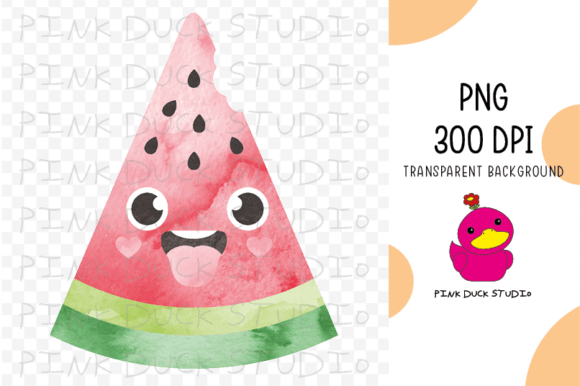
There is something inherently joyful about the combination of watercolors, summer fruits, and beach vibes. In the world of digital design and creative expression, few elements capture the essence of a warm, sunny day quite like a watercolor watermelon. Whether you are designing a wedding invitation, creating a logo for a new juice bar, or crafting educational materials for children, high-quality digital assets can make all the difference. This article explores the significance, technical specifications, and practical applications of premium watercolor watermelon summer fruit beach graphics, specifically focusing on a set featuring 1 PNG file with a transparent background.
For designers, educators, and small business owners, understanding how to leverage these assets effectively is key to creating professional-looking projects without needing advanced illustration skills. We will delve into why resolution matters, how transparency enhances versatility, and the critical importance of adhering to licensing agreements when using digital art in commercial ventures.
The Visual Appeal of Watercolor Summer Themes
Watercolor as an artistic medium has seen a massive resurgence in modern graphic design. Unlike the rigid lines of vector art or the hyper-realism of photography, watercolor offers a soft, organic texture that feels handcrafted and personal. When applied to subjects like summer fruit, particularly the iconic watermelon, the result is an image that evokes nostalgia, freshness, and relaxation.
The specific imagery of a watermelon at the beach taps into powerful seasonal associations. It suggests hydration, leisure, picnics, and the carefree spirit of July and August. For brands looking to connect emotionally with their audience during the summer months, incorporating these visual cues is a strategic move. The soft bleed of the paint, the vibrant reds contrasting against the green rind, and the implied context of a sandy shore create a narrative before a single word is read.
Why High Resolution Matters in Digital Design
In the digital age, "pixelated" is often a synonym for unprofessional. One of the defining features of the asset set we are discussing is its impressive technical specification: each file is approximately 4000 pixels in height with a resolution of 300dpi (dots per inch). Understanding what this means is crucial for anyone planning to use these graphics for print or large-scale digital displays.
- Print Quality: A resolution of 300dpi is the industry standard for high-quality printing. If you plan to print your design on t-shirts, tote bags, posters, or packaging, lower-resolution images will appear blurry or blocky. With 4000 pixels in height, this image can be printed at a substantial size while retaining crisp details.
- Digital Versatility: While web graphics often only require 72dpi, having a high-resolution source file allows you to scale down without losing quality. It ensures that even if you zoom in on a website or display the image on a high-density Retina screen, the edges remain smooth and the colors vibrant.
- Future-Proofing: As display technologies improve, the demand for higher-resolution content grows. Investing in assets that meet current high standards ensures your designs remain relevant and sharp as technology evolves.
Technical Specifications: The Power of PNG and Transparency
The format of your digital assets is just as important as the resolution. The inclusion of PNG files with a transparent background is a game-changer for designers. Unlike JPEGs, which typically have a white square behind the subject, PNGs allow the background to disappear completely.
This transparency enables seamless integration into various projects. Imagine placing a watercolor watermelon slice onto a busy beach scene, a colorful party invitation, or a dark blue t-shirt design. Because the background is transparent, the watermelon blends naturally with the underlying layer, avoiding the awkward "white box" effect that ruins many amateur designs.
Practical Applications in Modern Life and Business
How does a single image of a watermelon fit into the broader scope of modern work and creativity? The possibilities are vast, spanning education, commerce, and personal expression.
- Educational Materials: Teachers can use these high-quality images to create flashcards, worksheets, or classroom decorations. The realistic yet artistic style helps engage young learners in lessons about seasons, healthy eating, or color theory.
- Small Business Branding: A local ice cream shop, smoothie bar, or swimwear boutique can use these graphics to create cohesive branding. By mixing the watermelon clipart with custom text and other graphics, businesses can craft a unique identity that stands out on social media and physical signage.
- Event Planning: From birthday parties to corporate retreats, event planners often need quick, thematic visuals. These assets serve as excellent starting points for invitations, banners, and thank-you cards, saving hours of illustration time.
- Creative Merchandise: Designers can incorporate these images into end products like mugs, phone cases, and stickers. The key here is transformation—using the image as one element of a larger, distinct composition.
Navigating Licensing and Usage Rights
Perhaps the most critical aspect of using digital art is understanding the legal and ethical boundaries. The license associated with this specific watercolor watermelon set comes with clear guidelines designed to protect the original artist while allowing creators freedom to innovate. It is essential to read and respect these terms to avoid copyright infringement.
What You Can Do: Creating Distinct End Products
You are permitted to use the item to create a new End physical product or END digital product. However, there is a vital condition: the final product must be notably distinct from the original artwork. This means you cannot simply download the image and sell it as is. Instead, you should mix the purchased artwork with other elements like text, patterns, or additional graphics to craft something one-of-a-kind.
For example, if you are selling a printable planner page, adding the watermelon clipart alongside a calendar grid, motivational quotes, and decorative borders transforms the asset into a new, valuable product. Similarly, printing the image on a t-shirt where it is part of a larger "Summer Vibes" design is an acceptable use case.
Strict Prohibitions: What You Cannot Do
To maintain the integrity of the market and support the artist, several actions are strictly forbidden. Understanding these restrictions prevents accidental violations.
- No Reselling of Original Files: You may not resell, share, copy, or redistribute the digital files as they are. Selling the raw PNG file on a marketplace is prohibited.
- No Public Extraction: You cannot make the public available in a manner that allows others to extract the original artworks. For instance, uploading a low-quality version of your design to a site where users can easily reverse-engineer the high-res clipart is not allowed.
- No Vector Conversion for Resale: You may not redraw or edit the artwork to sell as a vector format (like SVG) and upload it to stock websites. Converting raster art to vector for the purpose of resale undermines the original creator's work.
- No Automated Merchandising Uploads: Uploading the standalone image to automated merchandising platforms like Zazzle or Redbubble is forbidden unless it is part of a significantly modified design. The goal is to prevent the mass distribution of the raw asset under the guise of merchandise.
Common Misunderstandings About Digital Assets
A common assumption among beginners is that buying a digital file grants them ownership of the image itself. In reality, you are purchasing a license to use the image under specific conditions. You do not own the copyright; the artist retains those rights. This distinction is why redistributing the file is illegal, even if you paid for it.
Another misconception is that "personal use" allows for anything. While many licenses are lenient regarding personal projects, commercial use always requires strict adherence to the terms. Even if you aren't charging money directly for the image, using it to promote a business or generate indirect revenue counts as commercial use.
Building a Broader Understanding of Creative Ethics
Respecting these guidelines is not just about following rules; it is about supporting the creative ecosystem. Artists spend hours perfecting their brushstrokes, scanning their work, and optimizing files for digital use. By adhering to the license, you ensure that creators can continue to produce high-quality resources for the community.
When you take the time to transform these assets—adding your own flair, combining them with unique typography, or integrating them into a complex layout—you are engaging in the true spirit of collaboration. You are taking a building block provided by an artist and constructing something new that reflects your own vision.
Conclusion: Elevating Your Projects with Summer Vibes
The Watercolor Watermelon Summer Fruit Beach clipart set offers more than just a pretty picture. It provides a high-resolution, versatile tool that can elevate everything from educational worksheets to professional marketing materials. With its 4000-pixel height and 300dpi resolution, it meets the rigorous demands of modern print and digital media. The transparent PNG format ensures it fits seamlessly into any design context.
However, power comes with responsibility. By understanding and respecting the licensing terms—specifically the prohibition on reselling raw files and the requirement to create distinct end products—you can confidently utilize these assets in your work. Whether you are a seasoned designer or a beginner exploring the world of digital art, these guidelines provide a roadmap for ethical and effective creativity. So, embrace the summer spirit, experiment with your designs, and let the vibrant hues of watercolor bring your projects to life.